Why Eat Seasonally?
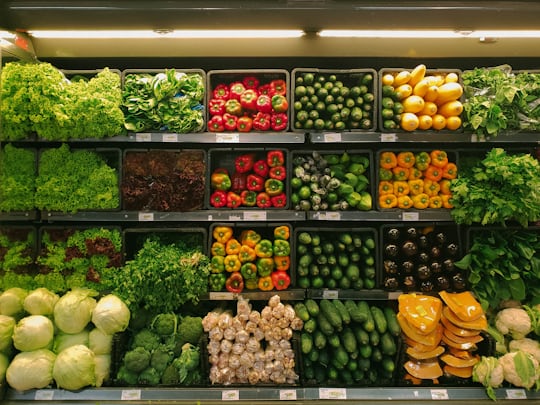
Produce that is in season is typically fresher, more affordable and often better-tasting than out-of-season alternatives shipped from distant regions. It also supports local agriculture and reduces the carbon footprint associated with long-distance food transport.
Australian Seasonal Produce Guide
| Season | Fruits | Vegetables |
|---|---|---|
| Summer (Dec–Feb) | Mangoes, stone fruit, berries, watermelon, grapes | Tomatoes, corn, zucchini, capsicum, eggplant |
| Autumn (Mar–May) | Apples, pears, figs, passionfruit, persimmons | Pumpkin, mushrooms, leeks, beetroot, sweet potato |
| Winter (Jun–Aug) | Citrus (oranges, mandarins, lemons), kiwi fruit | Broccoli, cauliflower, cabbage, silverbeet, parsnips |
| Spring (Sep–Nov) | Strawberries, cherries, avocados, pineapple | Asparagus, peas, broad beans, artichokes, spinach |
Availability varies by state and climate zone. Check your local farmers' market or state agriculture department for region-specific guides.
Pantry Staples Worth Keeping
| Category | Items | Shelf Life |
|---|---|---|
| Grains | Brown rice, rolled oats, quinoa, wholemeal pasta | 6–12 months |
| Legumes | Tinned chickpeas, lentils (dried & tinned), black beans | 1–2 years |
| Tinned fish | Tuna, salmon, sardines | 2–5 years |
| Oils & acids | Extra-virgin olive oil, sesame oil, balsamic vinegar, lemon juice | 6–12 months |
| Spices | Cumin, paprika, turmeric, cinnamon, garlic powder | 1–3 years (potency fades) |
| Sauces | Reduced-salt soy sauce, tahini, tomato passata | 12–24 months unopened |
Batch Cooking: The 75-Minute System
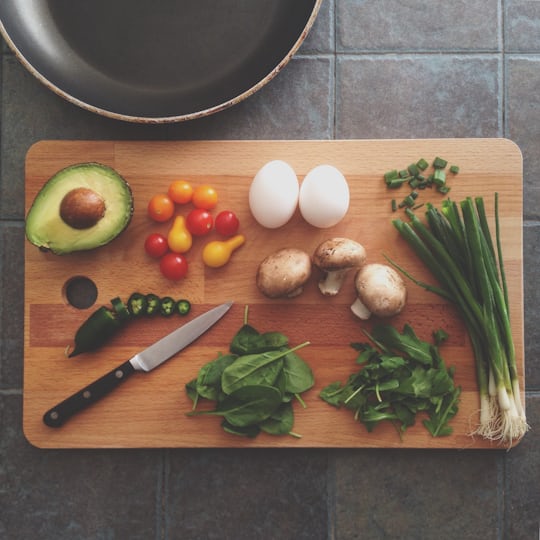
Dedicate 75 minutes on a weekend to prepare five base components:
- Cook a large batch of grains (rice, quinoa or freekeh)
- Roast a tray of mixed vegetables
- Grill or bake 3–4 protein portions (chicken, fish or tofu)
- Hard-boil half a dozen eggs
- Wash and chop salad greens, store with a damp cloth
These components assemble into different meals all week — bowls, wraps, salads, stir-fries — without cooking from scratch each evening.
Reducing Food Waste
- Plan 3–4 meals before shopping. Buy only what you need for those meals plus flexible staples.
- Apply "first in, first out" — move older items forward in the fridge and pantry.
- Repurpose leftovers: last night's roast vegetables become today's wrap filling or soup base.
- Understand labels: "best before" relates to quality; "use by" relates to safety.
- Freeze bread, batch-cooked meals and portioned proteins before they expire.
Budget note: Tinned legumes, frozen vegetables, eggs and seasonal produce are among the most affordable nutrient-dense options in Australian supermarkets. Building meals around these supports both nutrition quality and household budgets.
Note: This page provides general kitchen and shopping guidance. It does not account for individual allergies, intolerances or medical dietary needs. Always check allergen information on packaging. Consult a qualified dietitian for personalised advice.